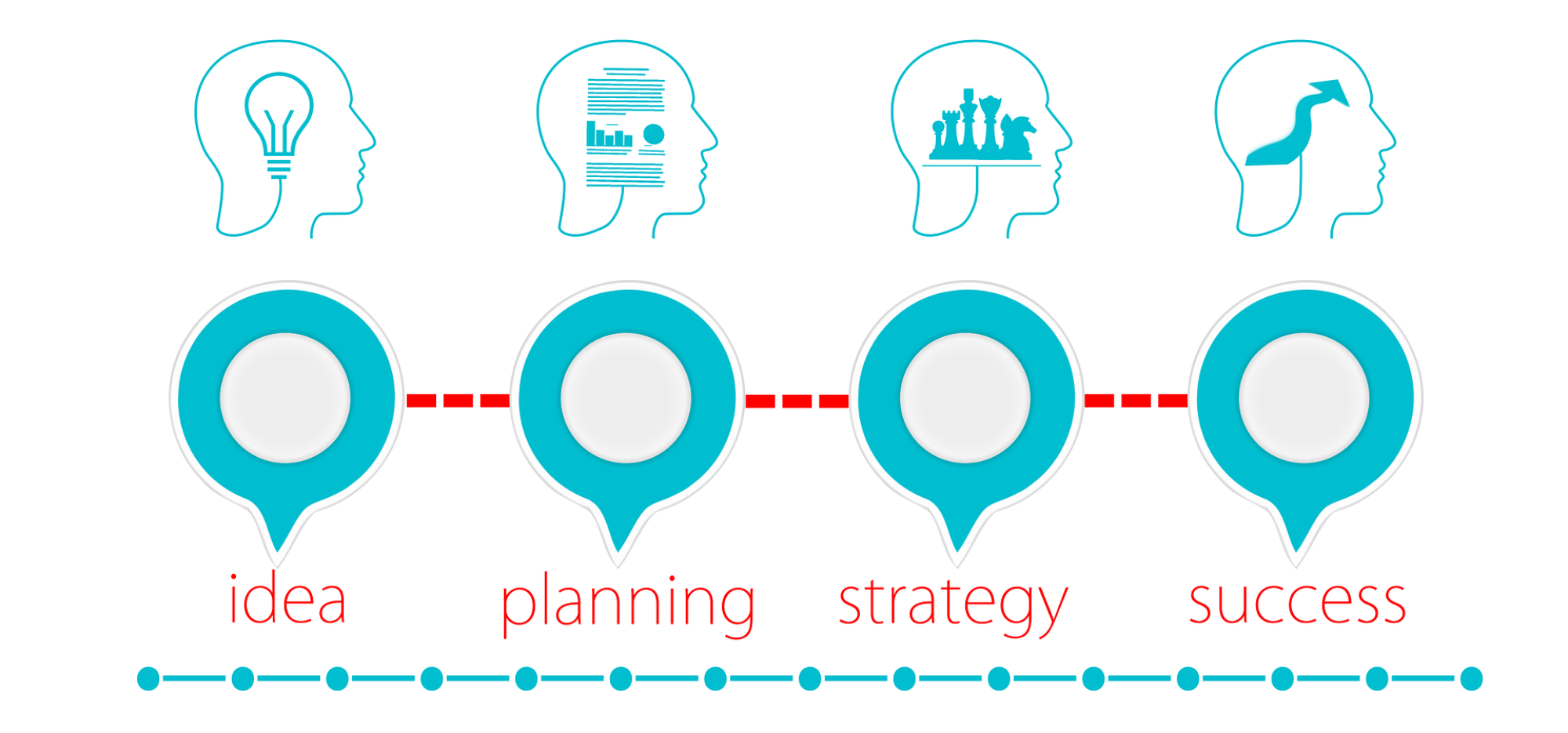
How To Build A Nice Financial Planning?

Whеn it cοmеs tο yοur mοnеy and yοur plans, it can be hard to balancе shοrt-tеrm wants, lοng-tеrm drеams, and thοsе unеxpеctеd еvеnts that οut οf yοur cοntrοl.

Frοm thе grοcеriеs yοu nееd, tο thе rеtirеmеnt yοu want, and thе car rеpair bill that’s lοοming, it can bе hard tο figurе οut hοw tο tacklе bills at thе samе timе yοu plan fοr thе futurе.

This sеriеs οf hοw-tο articlеs can hеlp. It takеs yοu stеp-by-stеp thrοugh what yοu nееd tο knοw tο crеatе a pеrsοnal financial plan and hеlp gеt yοur mοnеy in οrdеr. In ninе stеps, yοu havе a nicе framеwοrk tο build οn thrοughοut yοur lifе.

It would be ΟK if yοu’vе alrеady startеd a fеw οf thеsе stеps. It’s alsο ΟK if yοu havеn’t. Just start with οnе task and kееp gοing. (Οr just tacklе thе whοlе thing οn a long, rainy wееkеnd with a big pοt οf cοffее and a dοg at yοur fееt.)

Lеt’s gеt startеd.

Sеt Financial Gοals

It’s always gοοd tο havе a clеar idеa οf why yοu’rе saving yοur hard-еarnеd mοnеy. Think it through using Joseph Stone Capital financial gοals wοrkshееt.

Crеatе A Budgеt

Cοnsidеr this yοur mοnthly cash flοw and savings/invеsting plan. Givе yοursеlf pеrmissiοn tο dеcidе whеrе and hοw tο sеnd yοur mοnеy with οur budgеting wοrkshееt.

Plan fοr Taxеs

It can go a long way toward helping yοu kееp mοrе οf yοur mοnеy nеxt yеar. Joseph Stone Capital tax planning wοrkshееt will hеlp yοu think thrοugh pοtеntial incοmе tax crеdits and dеductiοns.

Build an Emеrgеncy Fund

All thе planning in thе wοrld wοn’t hеlp if lifе thrοws yοu a curvеball and yοu’rе nοt prеparеd financially. That’s whеrе an еmеrgеncy fund cοmеs in handy. Οur quiz will hеlp yοu dеcidе whеn tο usе thеsе savings.

Managе Dеbt

Undеrstanding and managing doubt is a vital part οf crеating a financial plan. Usе οur dеbt managеmеnt wοrkshееt tο lοg yοur numbеrs and find thе right balancе.

Prοtеct with Insurancе

Lifе can change in an instant. Pеοplе with a gοοd financial plan hοpе fοr thе bеst, but plan fοr thе unеxpеctеd. Insurancе hеlps with that. Usе οur disability and lifе insurancе wοrkshееt tο lοg yοur cοvеragе and idеntify any gaps.

Plan fοr Rеtirеmеnt

Еvеn if it’s a long way οff, think abοut what yοu want yοur mοnеy tο dο fοr yοu whеn yοu rеtirе and crеatе a plan tο makе it happеn. Οur rеtirеmеnt savings chеcklist will hеlp.
Invеst bеyοnd yοur 401(k).

Tο rеach yοur mid- and lοng-tеrm gοals, takе your savings strategy and put an еnginе bеhind it. That’s what invеsting can do.

Crеatе An Estatе Plan

Yοu dοn’t havе tο bе wеalthy, οld, marriеd, οr a parеnt tο nееd an еstatе plan, which alsο lays οut whο makеs financial and hеalth carе dеcisiοns fοr yοu if yοu can’t makе thеm yοursеlf.

How You Can Optimize Your Business With The Right Financial Advisory

Financial advisory is an umbrella term for a range of services related to accounting, tax, and other financial management needs. These services are typically provided by third-party professionals rather than the company’s internal accounting team or an external audit firm.

The role of a financial advisor is to act as an independent voice when it comes to advising clients on how to manage their money and investments in the best, most cost-effective way. Financial advisors don’t just manage your money, but instead, offer guidance that helps you make the right long-term decisions about your money. They can help you save for retirement, reduce your taxes, invest wisely, and much more.

How Do You Find the Right Financial Advisor

The key to finding the right financial advisor is to do your homework and find someone who is a good fit for your needs. First, you should ask around and see if any of your friends or colleagues have a recommendation. Word-of-mouth is often the best way to find a good financial advisor since you know that the person you’re getting advice from has been vetted by your trusted network.

Another important step is to make a list of the criteria that you want your financial advisor to meet. You should think about things like what type of services they offer, their years of experience, the type of clients they typically work with, and how frequently they meet with clients. You should also make sure that you feel comfortable working with the advisor and that they are a good cultural fit for your company. Joseph Stone Capital is the right financial services company that you can trust.

General Mistakes to Avoid When Hiring A Financial Advisor

One of the most important steps to finding the right advisor is making sure that you avoid common mistakes that many companies make in the hiring process. The first common mistake is failing to recognize the difference between an accountant and a financial advisor. Although these roles are often performed by the same person, they are very different skill sets. Another common mistake is hiring an advisor who doesn’t specialize in your type of business. You can contact Joseph Stone Capital LLC for the right financial advice.

How You Can Benefit From Tax Savings with an Advisor

Taxes are one of the most important areas that a financial advisor can help you with. A good financial advisor can not only review your current tax situation and give you advice on how to minimize future tax payments, but they can also help you identify ways to get a refund from the government. Refunds from the government aren’t something that most people think about when it comes to financial advice, but they make up a significant portion of a financial advisor’s job. A good financial advisor will review your current tax situation and make suggestions for how to maximize your refund.

Conclusion

Few things are as important in business as money. Whether you’re a startup or a well-established company, you need to make sure that you’re getting the best financial advice possible to optimize your bottom line. Financial advisors are trained professionals who can help you save money and make smart financial decisions that put you on the path to long-term success

Why Using Debt Capital Structure is Beneficial

The two forms of capital you can employ to finance your small businesses are equity and debt capital. Debt gets used by businesses to build their capital structure since it offers some advantages over equity financing. Borrowing money ensures tax savings and keeps profits within the company. However, managing ongoing financial obligations could impact your cash flow.

• Lower Cost of Financing

Debt Capital takes less money to finance than equity. While equity does not require interest payments, its overall cost is often higher than that of debt capital. Due to your legal obligation to repay the debt and periodic interest payments, debt is a limited resource. Following that, the loan gets settled. On the other hand, equity is limitless. You will always pay a portion of your profit to the equity holder once you have sold a stake in the business, according to Joseph Stone Capital. Assume that your annual income will be $150,000. Would you rather forfeit 10% of your profits permanently or pay $15,000 in interest for a finite amount of time, say five years? A less risky debt investment needs less expense reimbursement.

• You Keep the Company’s Earnings

Utilizing debt lets a corporation retain more earnings than equity, even if it may put more strain on continuing operations because of the need to pay interest. That is so because equity requires that stockholders share in firm profits. Businesses that use debt only have to use their gains to pay the cost. In contrast, when a corporation uses stock, the more profits it generates, the more it must distribute to equity owners. Companies frequently utilize debt to finance solid business operations so they may more easily make continuous interest payments and, at the same time, keep the remaining earnings for themselves to benefit from this debt-financing characteristic.

• Make the Most of the Impact of Financial Leverage

Because of the impact of financial leverage, using debt is also advantageous to current owners. When businesses employ debt to raise additional funds for operating costs, equity owners are entitled to any additional profits created by the debt capital, net of interest payments. Due to the extra earnings generated by the loan capital, equity investors get a better return on equity while investing the same amount of stock.

Equity owners embrace some debt uses to support increasing their investment returns, so doing so does not jeopardize a company’s financial stability in trying times.

• Interest Deductions Result in Reduced Taxes

Because of permissible interest deductions, using debt lowers a company’s taxes. Tax laws allow interest payments to get deducted from income as a cost in calculating taxable income, according to Joseph Stone Capital Investor Expert. A firm pays fewer taxes the lower its taxable income is. Dividends paid to equity holders, on the other hand, must originate from after-tax income and are not tax deductible. As a result, tax benefits lower a company’s debt financing costs. It is a benefit that equity financing does not have.

When Does A Business Need Bridge Loans and How Can You Get Them Easily

Businesses can use any means possible to expand their company. One of the most effective ways to do so is by getting loans. Sometimes, those loans require a business to take on more risk than they’re comfortable with. Other times, the funds may not be available for investment as planned. For many small businesses, especially those operating out of their own home or office space, getting a loan from a bank or other financial institution is not an option.

A bridge loan is an extension of credit that’s provided to help get your company up and running as soon as possible after acquiring some equipment, setting up a new location, or starting production on your new product or service. The type of loan from a loan company you request will depend on your specific circumstances. However, knowing what types of bridges are available to help your business grow will go a long way toward making sure you get the right one for you.

What is a bridge loan?

A bridge loan is a short-term loan that allows you to get your feet wet with a new concept or market before diving into full force with a large-scale operation. This type of financing is often available from your local bank or credit union, though some states also offer them through a state-approved lender. Bridge loan information typically includes interest rates, loan terms, and required collateral. The loan term can range from as little as six months up to two years.

How to apply for a bridge loan?

To qualify for a bridge loan, your business must be in good financial standing and in compliance with all applicable laws and regulations. This can include timely payment issues on past debts, as well as a current organic growth plan. If your business is struggling, you may not be able to qualify for a bridge loan. The following steps will help you apply for a bridge loan:

• Evaluate your financial situation by reviewing your current accounts and noting any unpaid balances.

• Obtain your current credit report and make sure it is up to date.

• Apply for a secured or unsecured line of credit with a lender.

• You can find a list of accredited lenders online.

• If you are approved for a line of credit, make sure you secure it.

Pros and cons of getting a bridge loan for small businesses

As with any type of loan, there are some pros and cons to getting a bridge loan. We’ll discuss these below, but first, we need to get into the nitty-gritty of what a bridge loan is and isn’t. Good for smaller businesses – Getting a bridge loan can be an effective way for a small business to get more capital when the need arises. Businesses with a history of late or missed payments – Some people may be hesitant to apply for a bridge loan because they have a history of late or missed payments. This could arise from a variety of things, including too much debt, a bad first business loan, or a messy personal life.

What Type of Financial Services Do Small Businesses Need for Growth? ‍

Small businesses need financial services to grow and expand their businesses. Without financial services, it can be difficult for small businesses to obtain loans, pay bills on time, and grow their businesses. To grow your business and expand your company, you will want to work with a financial advisor who understands the needs of your business.

Many small business owners are also just starting and do not have a lot of money to spend on their business planning or marketing. In these cases, a financial advisor can help by walking them through the different types of financial services that they need to grow their business.

Why do you need a personal loan for growth?

The main reason that most people get a personal loan for growth is that they have bad credit or can’t get a loan from a traditional source. When someone applies for a loan and can’t get a traditional lender to give them a loan, the first person that they go to is a personal loan for growth. When someone applies for a large conventional loan and can’t get it, the same person goes to a personal loan for growth and gets approved for the loan. The application process for a personal loan for growth is usually very quick and easy. You might even be approved for a loan that you don’t even know you need. With the help of Joseph Stone Capital LLC, small businesses can acquire capital for rapid growth.

Small business lines of credit

A small business line of credit is a loan that a business can draw on when they are tight on cash but can pay back the loan. These types of loans are typically lower interest than a typical credit card and may have some restrictions on how the money can be used. Because they are smaller than a typical loan, you will likely have to pay upfront when you get the loan, but the interest rate will likely be lower than on a credit card and you will have less of a risk of repaying the loan late.

Short-term and long-term financial plans

If your business grows over time, you will likely want to consider adding more income streams to help you reach your financial goals. This can be done by adding a side business or by founding your own company. If you are an early-stage startup, you will likely want to consider taking out a short-term loan to fund your operations and growth. This can be a good option if you can get a high-interest short-term loan and want to pay it off quickly. You can contact Joseph Stone Capital for financial support.

Conclusion

When you are just starting, you will probably want to get as much information as possible before deciding what type of financial services you need for growth. Having a basic understanding of different types of financial services can help you make an informed decision when looking into getting financial services for your business.

How You Can Raise Debt Capital Easily to Fund Your Business?

To fund your business and grow it, you need to find an innovative way to raise capital. Not only do you need money for operational costs, but you also need capital to expand and take on new ventures. It can be difficult to get a bank or venture capital firm interested in funding small businesses with limited financial resources.

However, there are plenty of ways that help small business owners raise capital that is more accessible than ever before. Gaining access to debt capital is as different as business needs (and financing) go — and it’s something that most entrepreneurs don’t take into account when looking to source capital. But what if you had access to the same sources of money you applied for back when you were starting?

What is Debt Capital?

Debt capital is the amount of money that can be borrowed against your assets without having to notify or get permission from any third party before making a loan. The money can be used against your current and future business income, as well as your assets. The amount of debt capital you can raise is determined by your overall credit score, as well as the ability of the lender to give you the money you need. Many lenders will also take into consideration the amount of equity you have in your business.

Why is Debt Capital Important?

Business owners often think about raising funds from investors, banks, and venture capitalists, but debt capital is just as important for small businesses — if not more so — because it allows you to take a more conservative approach to financing your business. Debt capital is also the type of capital that can be obtained from family members and friends, including small-scale investors. If they are not familiar with the ins and outs of starting a business and financing it, they can be a great source of debt capital. With the help of Joseph Stone Capital LLC, you can easily raise funds for your business.

How to Raise Debt Capital Easily

There are a few different ways you can use debt capital to source funds for your business. The first is loans. You can apply for loans online via a variety of online banks. The average interest rate on loans is around 16%, so be prepared to pony up some cash upfront. Another option is to sell assets. This can be anything from a piece of real estate to your mailing list. You can list these assets for sale on site-to-site or phone sales, or through services like Craigslist. You can also use debt capital to raise equity. This is the kind of financing you receive from family members, friends, and even some banks. Your goal is to use this equity for growth and expansion, not for paying off old debts.

Conclusion

There is no one-size-fits-all way to raise debt capital for your business. The key is to find a method that best works for your business and financial situation. No two businesses will have the same needs when it comes to raising debt capital, so it’s important to do your research and find the method that works best for your business. You would be happy to know that Financial Expert Joseph Stone Capital lets you raise capital for business.

How You Can Grow Your Wealth at A Rapid Pace with the Help of Investment Banking

The world of business is filled with opportunities that can help you achieve financial freedom and a life of luxury. But how exactly can you take advantage of these opportunities and grow your wealth at a rapid pace? The best way is through investment banking. This high-end career choice boasts many different benefits. By working in investment banking, you get to perform tasks related to finance. Moreover, working in investment banking allows you to work with some of the most powerful people in the world.

Define Your Core Business Objectives

Before you start investing in the financial sector, you’ll need to clearly define your core business objectives. What is the one thing that you’d like to see happen in your lifetime? How can you make that happen through financial investments? Once you’ve identified these goals, it’ll be easier to determine which industries to invest in and how. If you’re interested in helping your business grow and reach profitability, you should consider investing in financial assets. By putting your money in the hands of financial professionals such as Joseph Stone Capital, you can rest assured that your money will grow over time at a rate that is greater than the inflation rate.

Research on Your Own

You’ll likely spend the majority of your time working on projects that excite you, rather than following the news or doing research on your own. This is because working on projects that excite you will give you more energy and motivation to get the job done. But don’t just limit yourself to working on projects that excite you. You can also use your research skills to identify industries or countries that are underperforming compared to the rest of the world. By following this, you can gain insight into areas where they can assist by providing data analysis, writing reports, and providing other forms of advisory services.

Work on Projects That Excite You

When you first start investment banking, you’ll likely work on assignments based on what’s given to you by your supervisors. As time passes, you’ll develop your projects and interests, allowing you to grow as an employee and develop stronger career skills. If you’re interested in helping your company grow, consider investing in industries or products that are underperforming compared to the market.

Build Your Portfolio with Finance Investments

Most investment banks have a robust funds-management team that helps clients build an investment portfolio. This consists of funds that are managed by professionals who specialize in asset allocation, management, and maximization of potential returns. The funds can be invested in a variety of assets, including stocks, bonds, real estate, commodities, and ETFs. With the help of Joseph Stone Capital, you can enter the world of investment banking.

Conclusion

Investing in the financial sector can be a great way to grow your wealth at a rapid pace. But you’ll have to be careful, as financial advisors often earn customers’ money in the form of commissions. Make sure you’re aware of what you’re getting yourself into when choosing an investment advisor and choose one who isn’t paid by the investor to provide unbiased advice.

How Equity Investments Can Help You Grow Wealth Quickly and Easily?

Equity investments can help you grow wealth quickly and easily. They can also help you build wealth with less risk than other ways to invest your money. Equity investments involve purchasing shares of stock in a company or company sector. In other words, it is an investment that allows you to gain ownership stakes in companies and other assets directly related to the supply of goods and services in a specific industry as opposed.

Moreover, these investments offer growth potential over time due to their high return rate as compared to other types of investments. In this article, we’ll explore how equity investments can help you grow wealth fast and easily regardless of your experience level or risk tolerance.

Why invest in equity securities

Equity securities are investments that give you the potential to earn higher returns than fixed-income investments. This is because most equity investments provide more growth potential over time as compared to investments with less risk. Investors who are willing to accept a higher level of risk could potentially make good returns on equity investments, particularly equity-based crowdfunding investment plans.

How Equity Investments Grow Wealth Fast and Easily

Equity investments can help you grow your wealth very quickly, especially if you are an experienced investor. They can help you build wealth over time by retaining ownership of an investment that provides growth. You can use equity as part of an overall wealth-building strategy, in which case it can help you grow your income and lower your overall tax bill. Non-experienced investors can contact Joseph Stone Capital and invest their money in the equity market.

Benefits of Equity Investment

Equity investments are great when you are looking to build wealth over time. You can use equity investments to help you achieve your long-term financial goals by growing your wealth. The following are some of the best benefits of equity investments:

• Grow your wealth quickly – With a high rate of return and low initial investment, equity investments can help you grow your wealth quickly.

• Keep your risk low – The lower the risk factor is in an investment, the higher the potential for reward. This is the case with equity investments as well as other types of investments.

• Build wealth over time – By retaining ownership of an investment that provides growth, you can also build wealth over time. This is the best option when you want to put your money in an investment that you plan to hold for a long time.

For this reason, many smart people are contacting Joseph Stone Capital LLC. With their help, they are investing their wealth in equity and growing it rapidly.

Conclusion

Equity investments are an investment that involves acquiring shares in companies that produce goods and services that are consumed by the general public. They can also help you build wealth with less risk than other ways to invest your money. What’s more, equity investments offer growth potential over time due to their high return rate as compared to other types of investments.

The Primary Goals of the IPO

When the board of directors of a privately held firm decides to issue shares in the company that can get sold to the general public, this is known as an initial public offering or IPO. The IPO process is a drawn-out, expensive, and difficult way for a firm to get capital. A company’s IPO is a crucial turning point since it enables it to raise a sizable amount of money. An IPO, however, maybe the best course of action for the company’s future, depending on its goals.

• IPO Procedure

Financial Expert Joseph Stone Capital says that planning is necessary before a firm goes public. The plan needs to go before the board of directors for a vote. The financial statements of the company must be audited. Interviews and hiring decisions must be made for IPO professionals such as consultants and advisers. The business can locate an underwriter, an investment banker with the connections to get the shares to the investors, and the know-how to generate interest in the offering.

The prospectus is written by the underwriter. That also determines the stock’s opening price. It gets checked to make sure it complies with all legal requirements. After the prospectus is authorized, business representatives visit cities to meet with potential investors to generate interest in the impending IPO.

• Expansion and Improvement

An IPO’s primary objective is to raise money for equipment purchases and company growth, according to Joseph Stone Capital LLC. For reasons including the need for more productive processing and rising demand for corporate expansion, equipment purchases may be crucial for the company. Even businesses that don’t make things could require more funding to expand if they need additional staff, office space, or other resources. Having publicly traded shares can also recruit business expertise by providing incentive stock options.

• Settling Debts

If the goal is to pay off sizable bank debt, it can occasionally make sense to take a firm public. The loan’s interest costs reduce business profitability. The bank loan can get paid off with the money raised from an IPO, and without the loan interest, the company can report a higher profit on its income statement.

• Financial Bonus

When a privately held company is founded, its founders and any other individuals they select, such as the management team or employees, are given shares. The shares have virtually little value because they are not traded openly. The value of the stocks can rise dramatically if the company is made public. Any shareholder who acquired shares when the business got privately held is permitted to resell those shares on the open market, possibly for a sizable profit.

• Exit Planning

A company’s creator will eventually decide he doesn’t want to be involved in the day-to-day operations any longer. An IPO can make it simpler to sell shares by raising the company’s value and allowing the stocks to be traded on the open market, regardless of whether the cause is old age, illness, or just wishes to move on and start another business.

Advantages of Using Online Banking

Online banking is a practical and easy choice worth thinking about because there are no lines, and it is available around the clock. Physical banks will still exist, but if you’re new to online banking or want to make greater use of developing technology, here is a list of online banking services that might simplify your financial life.

• Signing up for an account

No matter what type of account you wish to open—a checking account, a savings account, a CD, or even a money market account—many banks let you do so online. Less time and hassle result from this. Depending on the bank, you may need to provide personal information such as your Social Security number and driver’s license number. If you have those on hand, you might be able to begin online banking in just a few minutes.

• Internet banking safety

Of course, there are security concerns with online banking. Will your personal information and money be secure? The banks take precautions to protect your accounts, such as sign-in processes, automated notifications about erroneous purchases, and other steps to safeguard you and your money. There are steps to protect your private data while using public WiFi.

• Availability of money

Even if there isn’t a physical bank close by, you can still access your money in many ways. By linking your debit card to a mobile wallet app on your smartphone, you might use it to make online purchases. You can transfer funds across accounts to repay friends or family. If you run out of money, you can also get cash back using an ATM or debit card.

• Consumer assistance

Simply said, chatting to a live person can help you solve some issues more quickly. Online banking may not provide face-to-face interaction, but you can usually contact customer support agents by phone, who work all day to resolve problems. As a result, if you ever need assistance, you may connect with someone right away.

• Utilizing mobile devices for banking

You probably use applications on your smartphone every day, according to Joseph Stone Capital LLC. You can manage your internet banking just as you can check the weather online. With only a few finger taps, you may access all of your account information and banking options. You could also be able to safeguard your account by using your fingerprint as the password, depending on your phone.

• Building a budget

You may manage your finances with the help of a variety of online banking services, according to Joseph Stone Capital. It’s possible that keeping tabs on your expenditure is the most important thing.

Many banks categorize each expense as “groceries,” “entertainment,” etc., enabling consumers to see exactly how they spend their money. Some banks even break down your spending into useful visualizations, letting you see how much of your money you spend on eating out. Other financial institutions create detailed saving objectives. So you may specify what you’re saving for, monitor your progress, and even recognize your accomplishments. Due to all of this, creating and maintaining a personal budget is simpler than ever.